Archive | Uncategorized RSS feed for this section

Trusting God

26 Oct

Things I’ve been thinking on lately. 
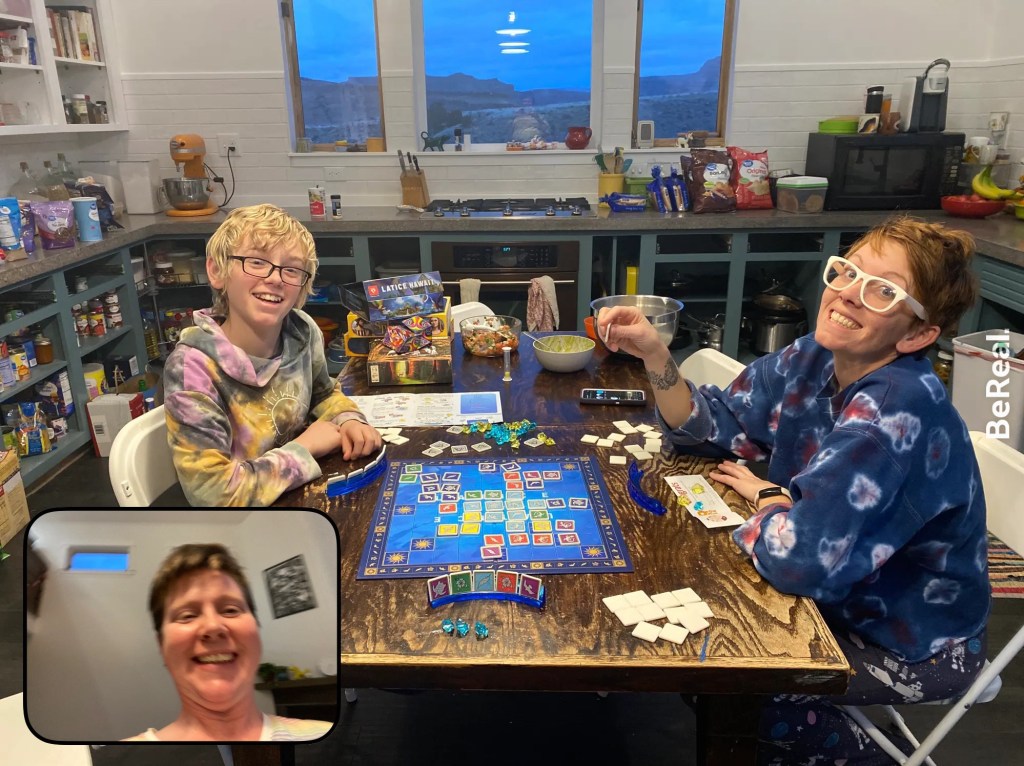
Cozy Family Nights

Trusting Jesus Christ

Elder Gary E. Stevenson said recently, “Living prophets in our day–who receive revelation from God to teach and lead us– are increasingly inviting us to come unto Christ.”  Part of coming unto Christ means we have to trust Him.  This is harder to do than it is to talk about.  To a small or great degree, we each want to keep our independence.  We want to “own our own soul” as C.S. Lewis put it.  Elder Sandino Roman of the Seventy asked this question in his talk, “Faith: A Bond of Trust and Loyalty.”  He asked, “How can you increase your trust in Christ?”  He was speaking to the youth, and he gave them two steps to try, which I know work, because I’ve done these things in my life:

“Start by meditating about Christ and the happiness His Atonement and gospel bring to your life. Also, make a record of the “spiritually defining memories” where God has been there for you, for your loved ones, and for the people in the scriptures. Now, these testimonies will not bring power to your life until the Spirit etches them in the “fleshy tables” of your heart. So ponder and record all God set in motion for these miracles to come at just the right time.  Next, use this exercise as an opportunity to get closer to God. Pray to your Heavenly Father as if it were the first time. Express your love and gratitude for His blessings. Even ask Him how He feels about you and about the direction your life is taking.”

Elder Roman promised, “If you are sincere and humble, you will hear His answer and begin a personal and lasting relationship with Heavenly Father and Jesus Christ. Not only that, but your religious habits will become meaningful! For instance, you will look forward to your prayers, personal study, and temple worship as opportunities to get to know Them and be with Them.”

That is a beautiful promise.  When we are not meditating on the tender mercies of God and praying with gratitude, it is easy to think that those actions sound boring or pretentious.  But when we are actually doing those things, they are meaningful and exciting.  Simone Weil, a French philosopher, teacher, and activist said: “Imaginary evil is romantic and varied; real evil is gloomy, monotonous, barren, boring. Imaginary good is boring; real good is always new, marvelous, intoxicating.”

I began thinking over what other things I have done in my life that have increased my trust in Jesus Christ.  I thought of when President Nelson urged us to let God prevail in our lives. He asked us, “Are you willing to let God prevail in your life?…Are you willing to have your will swallowed up in His?…Consider how such willingness could bless you…”  

I asked myself, “What is preventing me from giving my will wholly to God?”  and a thought came to my mind. “What if giving my will to God means that I have to continue to struggle and worry over *a certain situation* for the rest of my life.  What if it is His will that I stay in this situation?”  I cried a little bit.  And then I decided that even if that is what it meant, I was willing to give my will to God.  There have been 2 or 3 times since then when a struggle has come to me, and I ask myself, “even now?  Will I give my will to God even now?”  Each time I have decided “Yes.  Even now I will give my will to Him.”  Each time I give my will to Him it is easier and my trust in Him grows.  What I have found is that God is good.  His plans are often not what I imagined.  I trust that His plans are better.  I have learned for myself that God keeps His promises.

Elder Sandino Roman said:  “faith sprouts as we trust in Jesus Christ and blooms as we are faithful and loyal to Him.  If you want a true relationship with Christ, show Him by making covenants and honoring them with faithfulness and loyalty.  Making covenants with Jesus builds hope.  Honoring them builds faith.”

President Nelson said: “What is the Lord willing to do for Israel?  The Lord has pledged that He will fight our battles, and our children’s battles, and our children’s children’s battles to the third and fourth generation.  …My dear brothers and sisters, as you choose to let God prevail in your lives, you will experience for yourselves that our God is a God of miracles.”

I have seen those miracles in my life and in the lives of my children.  I know my children are benefitting from the covenants of my parents and grandparents that God is honoring -that He would fight the battles of their children’s children. When I was young and I had a question about life or the gospel, I would ask my dad.  My dad would open the scriptures and read the answer to me.  I trusted his guidance as I would have trusted words from the Prophet himself.  I didn’t need to check other sources.  I wanted to know the scriptures like my dad did when I grew up, and so I studied.  I didn’t just listen in General Conference, I took notes.  I didn’t allow myself to quote someone without making sure that I knew who it was that said the quote.  I studied my scriptures and took notes.  I likened the scriptures to myself, and I pondered, “what is the lesson here for me?”  Over time I became a mother and still I studied.  I taught my children, and I studied.  There came a day when there was an upheaval in my family. One of my children decided to leave the church.   As I tried to navigate this event and counsel with my other grown children still at home, I asked them: “If you have concerns about gospel doctrine, let’s talk about them before you make a decision.”  They were silent, and then they said to me, “Well mom, we could talk about it, but that would just be your opinion.”  I felt as if all the air had been sucked away from my lungs.  I felt like Rebecca in Genesis when she says to Isaac, “What good shall my life do me?”  

I had spent all that time learning and studying, and my children were not interested in what I had gathered for them. 

  But a couple of years later, when my son began to seriously prepare for his mission, he and I began to study the scriptures together in the morning before he went to work.  We were trying to mimic the companionship study he would be doing on his mission.  I loved those mornings, but I often worried that I talked too much or pointed out things that were not relevant to him.  I was trying to feel and follow the Spirit, but I was also worrying.  Then one morning he said, “Mom, how do you do it?  That is the third time that you have said the exact thing I needed to hear.”   It was so sweet to my ears. It was a miracle.  My son’s mission was a miracle. I know that God keeps His promises.  I know He has a plan for each of my children, and it is a good plan.  Those plans are not finished yet.

Doctrine and Covenants 93:1- Verily thus saith the Lord: it shall come to pass that every soul who forsaketh his sins and cometh unto me, and calleth on my name, and obeyeth my voice, and keepeth my commandments, shall see my face and know that I am.

After the Farmington Temple dedication, our Stake President, President Whaley wrote to the Tuba City Stake.  He spoke of President Buu Nygren of the Navajo Nation visiting the open house and asking Elder Neil L Anderson, “Can a temple be built on the Navajo Nation?”  Elder Anderson related this question and promised that in due time a temple would be built on the Navajo Reservation.  President Whaley exhorted us as a stake, saying, “When it does happen, it won’t be because we asked for it…It won’t happen because a political figure asks for it. It will happen when we are worthy, prepared, and ready to perform the ordinances that can happen only in the House of the Lord.” President Whaley asked us to pay our tithing and to keep the Sabbath Day holy.  He reminded us that we are in a drought that has lasted over 30 years.  He said that we have been promised rain, that we could have grass again in Monument Valley if we would pay our tithing.  (I didn’t know that Monument Valley used to have grass.  That was pretty wondrous to me.)

We are in the last days.  It is already bad enough.  The children already suffer enough.  We just need to build Zion so that Jesus can return.

Elder Sandino Roman: “I invite you today to nurture your relationship with Jesus Christ.  Make a commitment to never forsake Him…Your loyalty, love, and trust in Christ will shape your character and identity after His.  You will gain confidence and strength to overcome Satan’s attacks.  And when you make mistakes, you will yearn for His forgiveness.  Finally, your hope for the future will be bright.  He will trust you with His power to accomplish anything He expects of you, even the power to return to His presence.”

No matter what excuse you make, it doesn’t change the truth that Jesus Christ loves you.  He has paid the price for your redemption.  You have value in His eyes–great value–more than you comprehend.  You were created on purpose.  You are here for a purpose, and God needs you.  Within you is the power to do much good.

❤ GlowWorm

A Navajo Story

18 Apr

Today I survived my first field trip as a teacher.  I was dreading it.  But everything went well, and no students acted too wild, got lost, or got hurt –not worse than tripping and falling on the trail, anyway.  And no one threw up on the bus. phew!

We are in state testing for the next 3 weeks. boring!  But soon enough that will be over as well, and then there are only about 3 weeks of school left.  I am going to make sure to do some of the things I really love to do with students- like writing more poetry.  

Two weeks ago, I heard a Navajo elder tell a story, and I keep thinking about it.  This morning I was thinking about it again.

The story goes like this:

There was a young Diné boy.  (Diné is the name that the Navajo call themselves.) The boy’s mother had told him never to go in a certain direction while he was hunting.  She said that there were bad spirits and shapeshifters in that area.  But the boy had his bow and arrows, and he thought he was strong.  He wanted to hunt squirrels or rabbits for his family.  So one morning before anyone else was up, he took his bow and arrows and went in that direction.  As he walked, he met a giant.  The giant touched his arm and looked into his eyes.  He spoke kindly to the boy, saying, “Come with me to my house.  There are many squirrels you can hunt there.”  And because the giant had captured the boy with his eyes and his ears and his touch, the boy was under his power and agreed to go with him.  

When they reached the giant’s home, the boy looked around at the barren land and said, “There are no squirrels, nor any other animal here.  Why did you say there were?”  He looked up at the giant, but the giant’s whole demeanor had changed. Now his face was cruel.  The giant said, “Go gather me some firewood.”  

            The boy, knowing there were no animals around to eat, asked, “Why do you want firewood?”  

            “I’m going to cook you and eat you,” said the giant.  Then, because he was in total control of the situation, the giant lay down and went to sleep.

The boy could not get away, so he began gathering the firewood.  As he gathered the wood, he wept in fear and loneliness.  But then, he heard a “Hsst!” which is how Diné parents get the attention of their children.  The boy looked around, but couldn’t see anyone, so he continued gathering wood.  Again, he heard, “Hsst!” He looked around, and this time, he saw a little chei, a little horned toad, sitting on a rock nearby.  The chei wears arrowheads all over his body and even a big arrowhead as a hat on top of his head.  The little horned toad asked the boy, “Why are you gathering wood and crying?”

“I am in the power of a wicked giant,” said the boy.  “He is making me gather this firewood so that he can cook me and devour me.  I’ll never see my mother or the rest of my family again,” and the boy began to cry even harder.  “I can help you,” said the chei.  “Do you see my hat?  The giant is afraid of my hat. Take it and put it on and show it to the giant, and he will run away.”  

The boy took the arrowhead hat from the horned toad and thanked him.  He put on the hat and ran to where the giant was sleeping.  He shook the giant’s arm and shouted, “Hey, hey, look at my hat.”  The giant woke up and saw the hat, and he was afraid.  He backed up away from the boy and began to run.  The boy chased after him, shaking his hat.  The giant ran until he fell off the edge of a mesa.  That was the end of the giant, and the boy was able to return to his family.

After he told the story, the Navajo elder explained that in the old days, giants in the stories represented disease– unknown illnesses that could wipe out a whole family or even a whole clan.  But, he said, the stories are still for today.  Today the giant represents drugs or alcohol.  The youth need to listen to their parents, listen to their elders, just like the boy listened to the little chei. (Chei is also the Diné word for maternal grandfather.) The teachings of your elders are like the hat that the chei gave to the boy so that he could defeat the giant.  

This story reminds me of the parable of the prodigal son, and how while feeding the pigs, the young man came to himself and remembered his father’s home.  I was also reminded of Enos, who was hunting beasts in the forest, when the words of his father sank deep into his heart, and he prayed for forgiveness, and obtained great promises.  And, I was reminded of Alma the Younger, who in his moment of excruciating despair, remembered his father teaching of one Jesus Christ, a son of God. Alma cried out for help, “Oh Jesus, thou Son of God, have mercy on me,” and was delivered from torment.  

It is interesting to me that the chei gives the boy a hat–just like we talk about the helmet of salvation. (Doctrine and Covenants 27:18)  Billy Graham said that when we put on the helmet of salvation, we put on Christ himself.  President Nelson said, “God so loved the world that He sent His son to help us. And His son, Jesus Christ, gave His life for us.  All so that we could have access to godly power–power sufficient to deal with the burdens, obstacles, and temptations of our day.” 

No matter what giants we must face in this life, whether the giant of illness, of addiction, of pride, or of despair; whether the giants catch us with our eyes, our ears, or our feelings, it is Jesus Christ alone who will save us.  

Love,
GlowWorm

“A man must love a thing very much if he not only practices it without any hope of fame or money, but even practices it without any hope of doing it well.  Such a man must love the toils of the work more than any other man can love the rewards of it.”  G.K. Chesterton

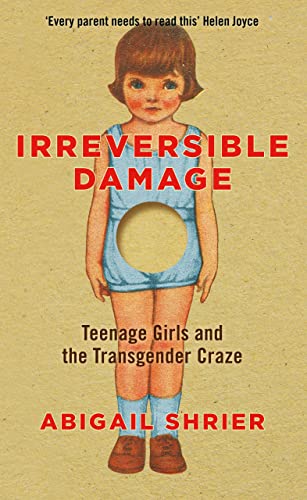
Irreversible Damage- Why I think you should not give or recommend this book to your child who is transgender, or anyone else, for that matter.

16 Feb

After my daughter came out as gender nonbinary and queer, an extended family member recommended that I read the book Irreversible Damage: the Transgender Craze Seducing Our Daughters by Abigail Shrier. This family member had not read the book but had heard about it on the Joe Rogan podcast.

I read the introduction of the book and dismissed it as inflammatory and hateful. But then, a transperson I love told me how their parent had tried to coerce them into reading it.  I found that some of my friends thought it was great, and one said, “Everyone should read it.”  I became really disturbed that parents might be trying to get their transgender and LGBTQ+ children to read this book.  I decided I had better read the whole book so I could credibly explain why I found it so disturbing, and to find out if it was really as bad as I had thought from the introduction.

It was worse.

When I finished reading the book and all the footnotes, it was bristling with post-it notes marking places I found problematic.  I typed up most of them, and the result was a six-page single spaced word document.  For the sake of clarity, I am not going to include every instance where Abigail Shrier uses language that misleads the reader or shows contempt for transgender teens.  I am going to write about my biggest concerns and give a few examples of each.  Be aware that there are far more problems than the few I am bringing forth here. My biggest concern is the way the author uses language to mock and show her contempt for trans-teens. The language she uses will not convince the trans-person you love that they are not transgender. It could really convince them that suicide is the only option they have. My second biggest concern is the way the author exaggerates the scientific support for her claims. An author who has to exaggerate support for her argument and actively belittle any evidence detracting from her claims cannot be trusted.

Misleading and Outright Dishonest use of Terms

On page after page, the author talks about teens being part of an “epidemic” and a “peer contagion” and a “craze.” While these words have non-derogatory scientific meanings, a teenager reading the book will not understand this. They will feel bludgeoned by these dehumanizing words. Even most adults reading the book will not be immune to the gut reaction of fear that comes hand-in-hand with the words “epidemic,” “contagion,” and “craze.”

In chapter one, Shrier claims that today’s “coddled” teenagers are less emotionally mature than previous generations. She will use this claim to justify calling 25-year-olds “teenagers” and “children.” She needs to do this so she can shock the reader later when she talks about children getting gender altering surgeries. The reader is picturing ten-year-olds and fifteen-year-olds, but the “children” Shrier talks about getting surgery were all over the age of twenty-one when they had surgery. In chapter 3, she refers to an influencer named Ash as a “teenager,” conveniently ignoring the fact that she told us a few paragraphs ago that Ash is in his late 20’s.

Mockery and Contempt

In the introduction, the author compares transgenderism to the Salem witch trials, the nervous disorders of the eighteenth century, and anorexia, bulimia, and “repressed memory” of the twentieth century. She says, “One protagonist has led them all, notorious for magnifying and spreading her own psychic pain, the adolescent girl.”

 In chapter 3, the author discusses the transgender influencers on YouTube who are supposedly convincing all these teenage girls that they are transgender also.  Every time the author quotes or summarizes a trans-influencer’s words, she inserts a sarcastic parenthetical statement that mocks or belittles the person she has just quoted.  Every time she refers to an interview she had with a transgender adult, she makes sure to tell the reader that she could tell what gender the person was born as just by looking at them or by listening to them talk. They can’t fool her, so they aren’t real.

Abigail Shrier never describes what a transgender teenager experiences because her audience is not transgender teens, and her goal is not understanding or compassion for transgender people.  Instead, in chapter 1 (page 18) Shrier describes the normal mental struggles of female teenagers, and how those have increased in recent decades. She talks about depression, social anxiety, and the lack of in-person interaction teens face. She says “puberty is hell,” bringing up cramping, bloating, and menstruation as experiences no girl or woman wants to go through. She says girls are developing physically at younger and younger ages, leading to sexual attention from men when they do not yet feel sexual or want to be so.

These are (unfortunately) normal struggles for women and girls. Shrier’s intended audience can identify with these normal struggles. So when Shrier makes the claim that girls who identify as transgender are over-reacting to a normal adolescent experience, and she expects the reader to agree that to “decide” to be transgender is an over-reaction to the experience that they, themselves, had as teenagers and weathered just fine. The problem is today’s adolescents and their “inability” to bear stress. The reader doesn’t realize that the experience of a transgender teen is completely different from the normal struggles Shrier describes.

The author makes use of sarcastic quotation marks frequently. In chapter 6, while discussing gender affirming care, Abigail Shrier says to parents, “Put out of your mind every manner of very understandable parental interjection.”

What a tragedy that woke therapists will criticize a parent for saying things like, “Are you out of your mind?” and “No I will not call you Clive” and “We don’t even eat hormone-raised beef, for God’s sake!”  The reader is expected to have had these same thoughts and to feel sorry for parents who cannot make these “very understandable” interjections.  These phrases communicate contempt and ridicule, two things which no parent should ever show to any child under any circumstances.

Then Shrier says, “You don’t want your child to hang ‘himself’ in the garage just because you accidentally referred to her as ‘Rebecca’.” Can you feel the mockery dripping out of these sentences of Shrier’s? Can you begin to see why I am so concerned about parents handing this book to their transgender child (be they fifteen or twenty-seven or forty)?

On page 79 Shrier belittles gender dysphoria by equating it with being a tomboy. Being a tomboy is not the same as gender dysphoria — as proven by Shrier, herself, on page 36 where she lists the DSM-5 definitions of gender dysphoria.

On page 98, Shrier tries to delegitimize body dysphoria by equating it to a woman looking in the mirror and being shocked that she has more wrinkles than she remembered.  Shrier deliberately downplays actual dysphoria, which is much different than “lugging around a body we wouldn’t have chosen.” If you will listen to an actual person who has gender dysphoria describe what it is like, you will understand how grievously Shrier is deceiving the readers of her book.

Catch-22

In chapter one, the author belittles transgender men for not really seeking to be men. She says:

“They don’t want to pass- not really. ..They make little effort to adopt the stereotypical habits of men: they rarely buy a weight set, watch football, or ogle girls… Only 12 percent of natal females who identify as transgender have undergone or even desire phalloplasty. They have no plans to obtain the male appendage that most people would consider the defining feature of manhood.”

Later, in chapter 12, after describing how complex a surgery phalloplasty is, and how likely it is to go wrong, the author admits, “if there is any way on earth to alleviate your gender dysphoria without phalloplasty, it’d probably be a good idea to pursue the alternative.”

So your transgender loved one is left with no good options. According to Shrier, if they are really transgender, they should prove it by conforming to toxic societal stereotypes. Further, either they do not have surgery, and Abigail Shrier (and people like her) can accuse them of not being serious enough to be legitimately transgender, OR they do undergo surgery, and Shrier (and people like her) can say they are clearly mentally ill because no one in their right mind would undergo such a complicated surgery with such a low success rate.

Lying about the lived experiences of LGBTQ+ children and adults

Shrier makes a one-sentence statement now and then, claiming to acknowledge the pain these transgender teens are suffering all the while writing multiple paragraphs belittling and dismissing that pain and claiming that people transition genders to receive a “social status upgrade.”

In chapter 4, Shrier describes a boy named Jamie being terribly bullied. Then she writes a paragraph where all her chosen words dismiss his experience. She says, “But one need not appeal to the case of Jamie…to believe that LGBTQ students might be picked on more than most…and are likely more abused than non-trans-identified kids…reports by activist groups suggest the same.” Here the author uses her words to cleverly introduce the possibility of doubt for something widely known and not disputed by anyone because she needs to belittle the bullying that transgender youth face in order to support her claim that kids are only “choosing” to be trans because it levels up their social status.

In chapter 8, Shrier calls being transgender a “status upgrade,” meaning that teens choose to be transgender because it wins them friends and popularity. But what does the data actually show? Twenty-two percent of transgender women who were perceived as transgender in school were harassed so badly, they left the school because of it.  Another ten percent were kicked out by the school.  The idea that transgender youth have an advantage because they are transgender ignores the actual conditions of their lives. The reality is bleak, as you can read about in this largest study ever of transgender people (click on the underlined words to read the study.)

Lying about the Support for her Claims

In the introduction (pxx) Shrier claims that after her book was published “Clinicians began publishing research confirming it…”  the only footnote here links to a paper published by Ken Zucker, rehashing the one problematic Canadian study (by himself) which is the basis for most of the claims this book makes.  Hardly the huge, growing support Shier makes it sound like that her book is building. 

On page 134 the author speaks of “several long-term studies” that have shown that a majority of children with gender dysphoria have outgrown it.  The footnote only lists one.  Again, it is Dr. Zucker’s study.  There is no other study to support her claims.  Anyone who must continually inflate and exaggerate their evidence is not someone I trust.

Shrier refers to a survey study done by a Dr. Littman which she claims proves that teenage girls are only deciding to be trans because it is currently popular to do so. Dr. Littman’s “study” was actually a survey of an extremely limited set of parents for the purpose of gathering data. This data could then be used to create hypotheses to be researched and tested. Only parent who disagreed with their child about their gender identity and whose children did not express gender dysphoria until their teenage years were included. In Dr Littman’s own words:

“The purpose of this study was to collect data about parents’ observations, experiences, and perspectives about their adolescent and young adult (AYA) children showing signs of an apparent sudden or rapid onset of gender dysphoria that began during or after puberty, and develop hypotheses about factors that may contribute to the onset and/or expression of gender dysphoria among this demographic group.”

Breaking the cardinal rule of sociology that correlation is not causation, Shrier uses the results of the survey to draw most of her conclusions about the cause of the “teenage trans epidemic.” She also mistakes the demographic group of the survey as indicative of the whole population, instead of recognizing that it was a very small and tightly controlled group based on the limits put on the survey by Dr. Littman.

On page 31 of chapter 2, Abigail Shrier tries to get Dr. Littman to speculate on a variety of possible causes of the “trans craze.” Dr. Littman refuses to theorize beyond the limits of her data (kudos to her), but much like a lawyer in a courtroom calling out a list of questions she knows are unfair and will be objected to by the defense and thrown out by the judge, yet calling them out anyway because she knows it will influence the jury; Shrier calls out all her speculations hoping to influence the reader and capitalizing on the fact that there is no opportunity for the defense to object, and the likely fact that the reader is not reading critically, but only to find validation for the position they held when they began reading.

Are college students choosing to identify as trans because being white and rich is “perhaps the most reviled identity on today’s campuses?”

“I wonder aloud if inflated collegiate sexual assault statistics haven’t scared adolescent girls off of womanhood entirely.”

Is “this transgender craze partially the result of over-parented, coddled kids desperate to stake out territory for rebellion?”

A discerning reader will see how these questions show utter contempt for students. In Shrier’s mind, they are all pampered rich kids who are over-reacting to small problems. There is no acknowledgment that any college student would have a legitimate reason for claiming to be transgender. The reality of the danger of sexual assault on college campuses is apparently “inflated,” and the well-known fact that transgender persons are vastly more likely to be victims of assault than cisgender persons is blatantly ignored by Shrier because, again, that would weaken her position of claiming that students are “choosing” to be transgender because being a woman is dangerous.

Distinguished World Experts?

Shrier says (on page 29) that Dr. Littman’s research drew praise from “some of the most distinguished world experts on gender dysphoria.” The foot note quotes tweets on twitter from Ken Zucker, and J. Michael Bailey. 

Dr. Ken Zucker is the author’s favorite expert to quote.  This doctor has been kicked out of the medical practice in Canada for using reparative therapy (a form of conversion therapy). You can read about his coercive treatment method in an article which describes Zucker treating a little boy who wants to be a girl by counseling his parents to never allow him to wear pink or play with dolls. The little boy is described as walking by a store window display and covering his eyes so that he won’t see the pink sparkly things and want them. I’m just a mom and not a doctor, but that method seems like shame and repression to me, not healing.

The other “distinguished expert” who tweeted support for Dr. Littman’s study is J. Michael Bailey.  Some of his “distinguished” work includes advocating lenience for a rapist whose victims were infants and young children.  According to Dr. Bailey, “if he didn’t physically hurt them, and if they didn’t remember traumatically, his actions should be penalized less than had he physically hurt them and they did remember.” 

In a paper published (read online at pubmed.ncbi.nlm.nih.gov) J. Michael Bailey stated that it was “morally acceptable” for parents to screen for and abort gay fetuses because “selection for heterosexuality may benefit parents and children and is unlikely to cause significant harm.” 

Did you get that? He is claiming that abortion is ok if the fetus is gay. Aborting a gay fetus is “unlikely to cause significant harm.” I guess death doesn’t count as “significant harm” as long as the person who dies is gay? What??

Is this really the world expert whose recommendations we are going to trust?       

Not me.

If you want to know what the science actually shows, and why Dr. Ken Zucker’s research is not to be trusted, I recommend this 9 minute read from Scientific American.  https://www.scientificamerican.com/article/what-the-science-on-gender-affirming-care-for-transgender-kids-really-shows/

Tell the Truth

If you want to advocate against gender transition for adolescents, you are free to do so. But tell the truth.

When speaking to your child/family member/friend, tell the truth and say, “I don’t have any science to back my feelings up, but I am afraid you will regret your choice.”

Tell the truth and say, “I don’t trust that you understand the consequences of hormones or surgery.”

Tell the truth and say, “I think you are mentally ill, not transgender.”

Tell the truth and say, “I don’t think you know what you really want.”

Tell the truth and say, “I don’t think God wants you to transition.”

And after you tell the truth about what you think, you need to be ready to hear the truth about what they think, and be willing to recognize their conclusions about themselves as at least as valid as yours.

And PLEASE do not use this hateful book to try to convince anyone. Truth telling and compassion are important. This book holds little (if any) of either.

January 2024 Books Read and Rated

2 Feb

(For context: I only give 5 stars for books that are so good, I expect to re-read them.)

Excellent Women by Barbara Pym ⭐️⭐️⭐️⭐️1/2

Really enjoyed reading this one. It was so

relatable.

Breath: the new science of a lost art by James Nestor ⭐️⭐️⭐️⭐️

Sometimes this book seems cuckoo, but the evidence presented by the author is compelling. Changes I’ve made because of this book:

1. serving more raw veg for the whole family, because chewing is vital for the development and strength of the dental palate, leading to better breathing and straighter teeth.

2. Deliberately breathing through only my nose when exercising.

The Dark Lord of Derkhom by Dianna Wynn Jones ⭐️⭐️⭐️⭐️⭐️

Princess Bride type humor and a great story. This was a re-read.

Scythe by Neal Schusterman ⭐️⭐️⭐️⭐️

Interesting (and often gory) distopia. Have not read the full trilogy yet.

Red Earth, White Lies: Native Americans and the Myth of Scientific Fact by Deloris Vine Jr ⭐️⭐️⭐️1/2

The author’s argument that Native histories should not be dismissed by scientists without consideration is fair and valid. That some scientific theories get entrenched without adequate proof is evident. The native histories he shares that line up with geological evidence are fascinating. But the author is extremely bitter and cynical about both the scientific community and Christianity. While his feelings are understandable, his bitterness almost obscures his message, especially in the opening chapters.

Defy the Stars by Claudia Gray ⭐️⭐️⭐️⭐️

Really enjoyed this Sci-fi novel, and I’ve finished the trilogy today, so I can report that the ending makes sense in the universe the author has created. 😅so many trilogies have rushed, unbelievable endings, I’m so glad this wasn’t one of them.

Star girl by Jerry Spinelli ⭐️⭐️⭐️⭐️

Visiting Katie

15 Jan

We had a long weekend for Martin Luther King Day, so we drove to Grand Junction to visit my sister and her family.

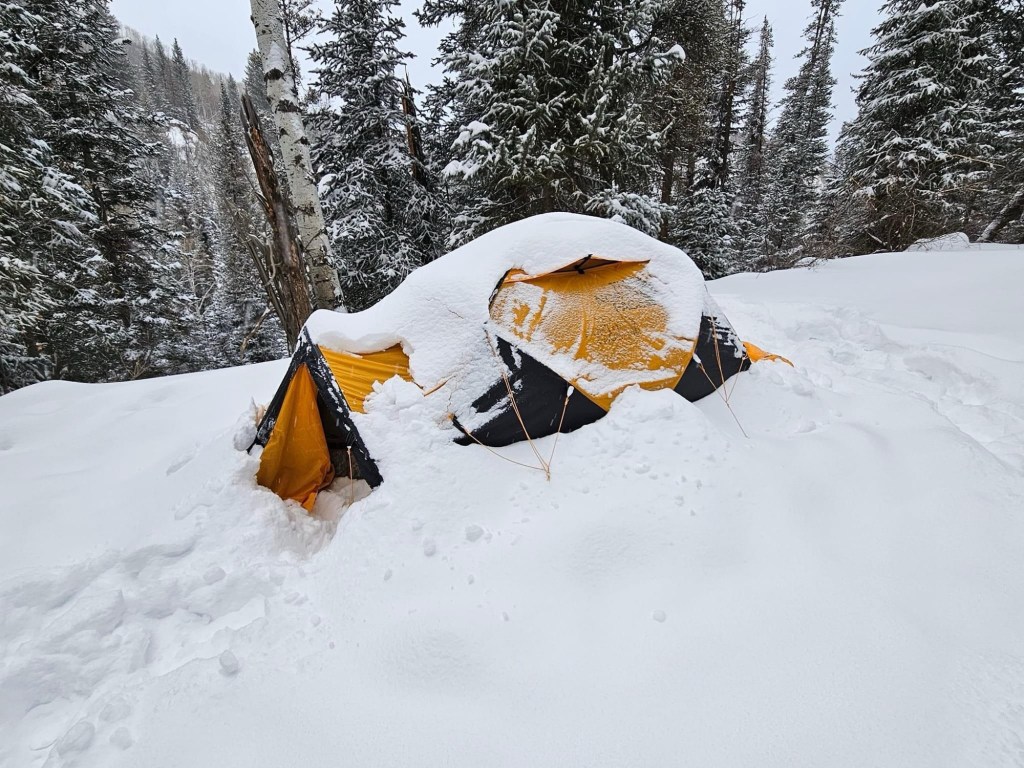
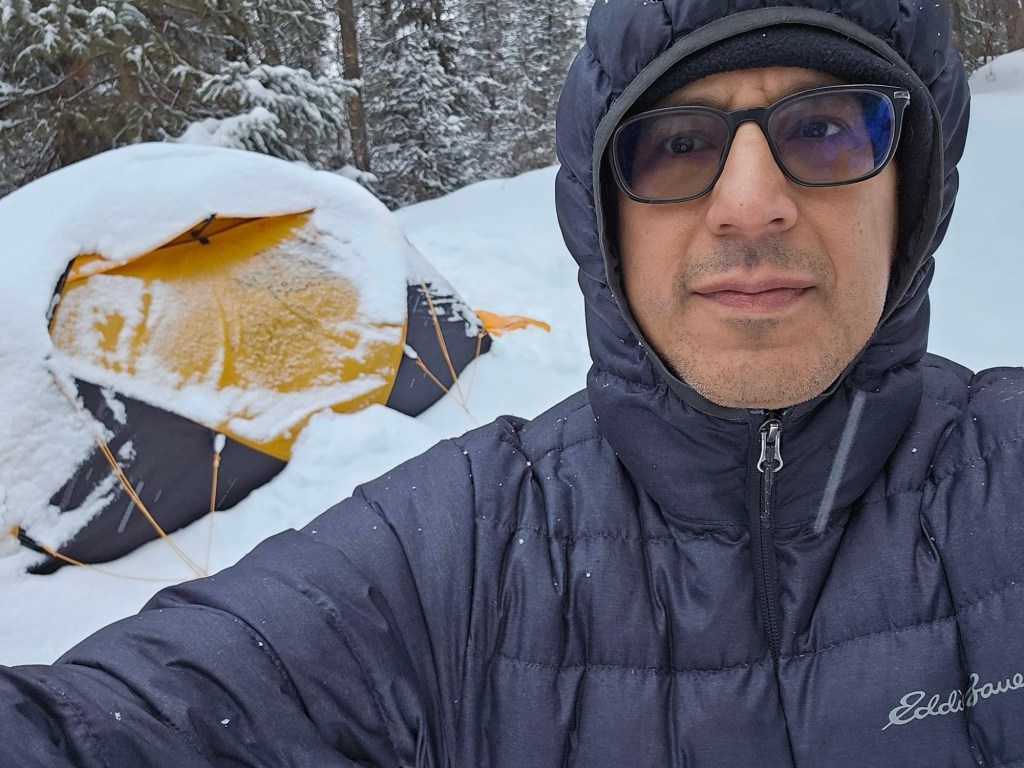
Ben and Nate went camping in the snow, and Nate taught Ben some skiing.

What Ben said afterwards was, “It was kind of a suffer fest, but that is what I wanted.”

Meanwhile, I lay around at the house. We played games, watched the Dungeons and Dragons Movie with Chris Pine (hilarious) and snuggled her kitties. I wish we had a kitty instead of Guinea pigs now. I have several new games on my wishlist now. The kids played lots of Nintendo Switch also, and Katie and I played a little Tetris- my favorite!

Katie made crepes for us, and I made Korean Soy Butter chicken for them. 😋

I also got the first haircut I’ve liked since we moved to Utah. 😅 Only a five hour drive from home.

A Bad Case of Stripes

10 Jan

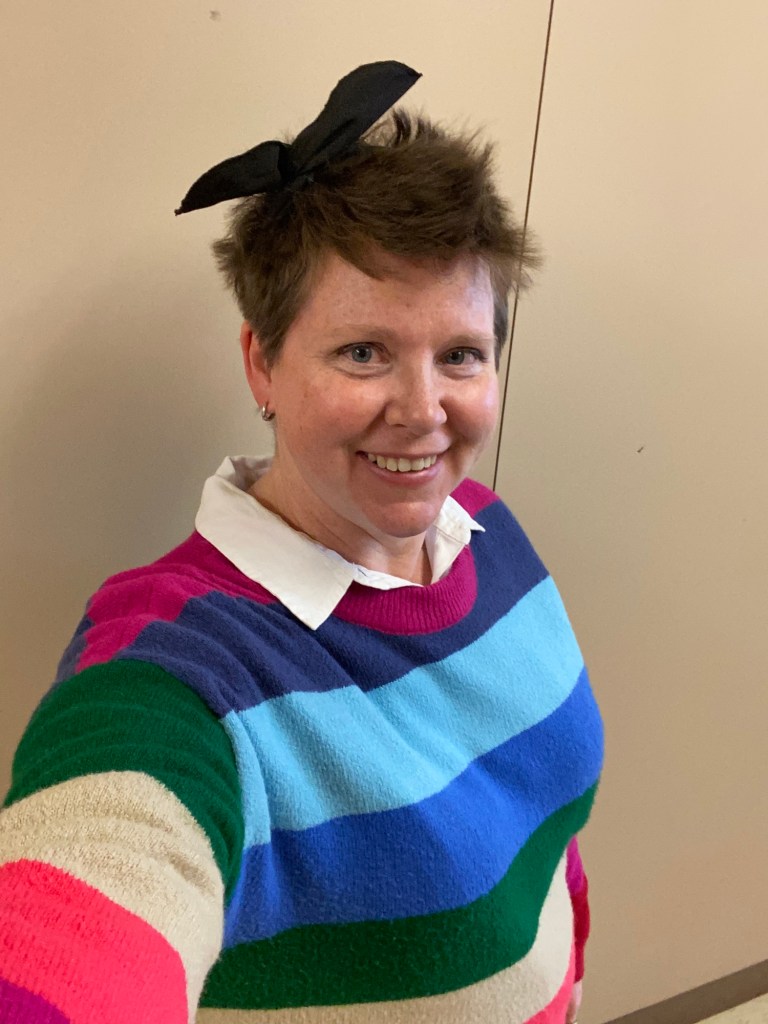
I accidentally dressed like a children’s book today.

A Bad Case of Stripes

Don Quixote

20 Dec

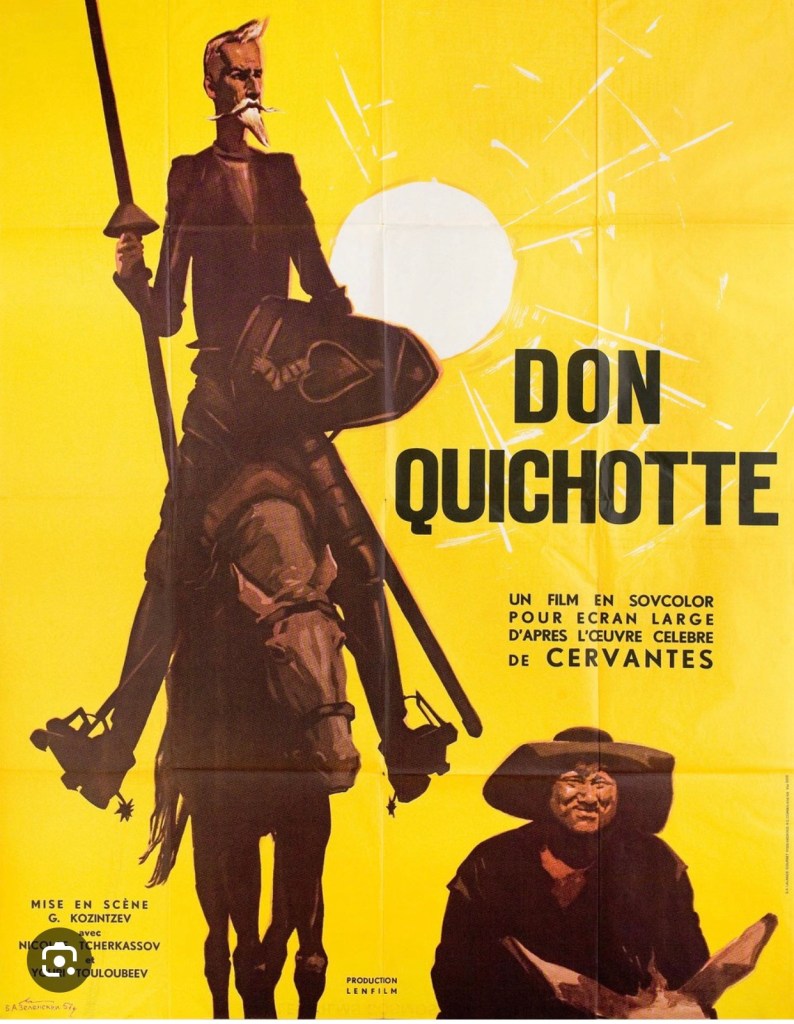
About two years ago, I read Don Quixote (book 1). It was simultaneously the most boring read ever and the most hilarious read ever. Like a Three Stooges Movie, the slapstick comedy therein was so over the top that it passed beyond funny into pain, and sometimes back into funny again. It was so outrageous and idiotic that it was genius. Like the first time you watch the movie “Napoleon Dynamite” or “Nacho Libre” and you wonder what the heck is this even about? But then it grows in your mind and you never forget it, and you randomly relate everything else that happens in your life to it ever after.

Suddenly, I am thinking that maybe JR High kids would really appreciate the humor of it— and now I’m so excited about teaching that I can’t sleep. I need to read Don Quixote again…

And maybe I need a t-shirt that says “Warning: May spontaneously talk about Don Quixote.”

…wait is Napoleon Dynamite a parallel Don Quixote??? 🤯

Nacho Libre???!! 😱 😱😱

whispers

it izzzzz

Our Family’s LGBTQ Story

15 Oct

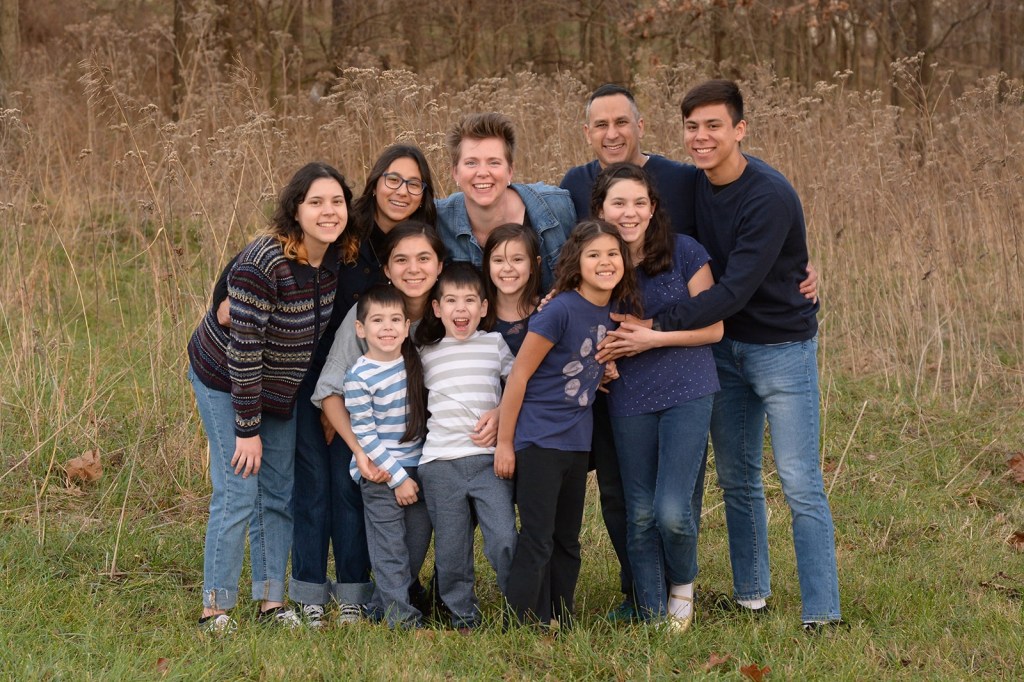
We share our small story with Lift and Love because we hope it is helpful to others. We appreciate the stories at Lift and Love, and they have helped us.

https://www.liftandlove.org/stories/the-lesue-family

Monument Valley week 6

8 Sep
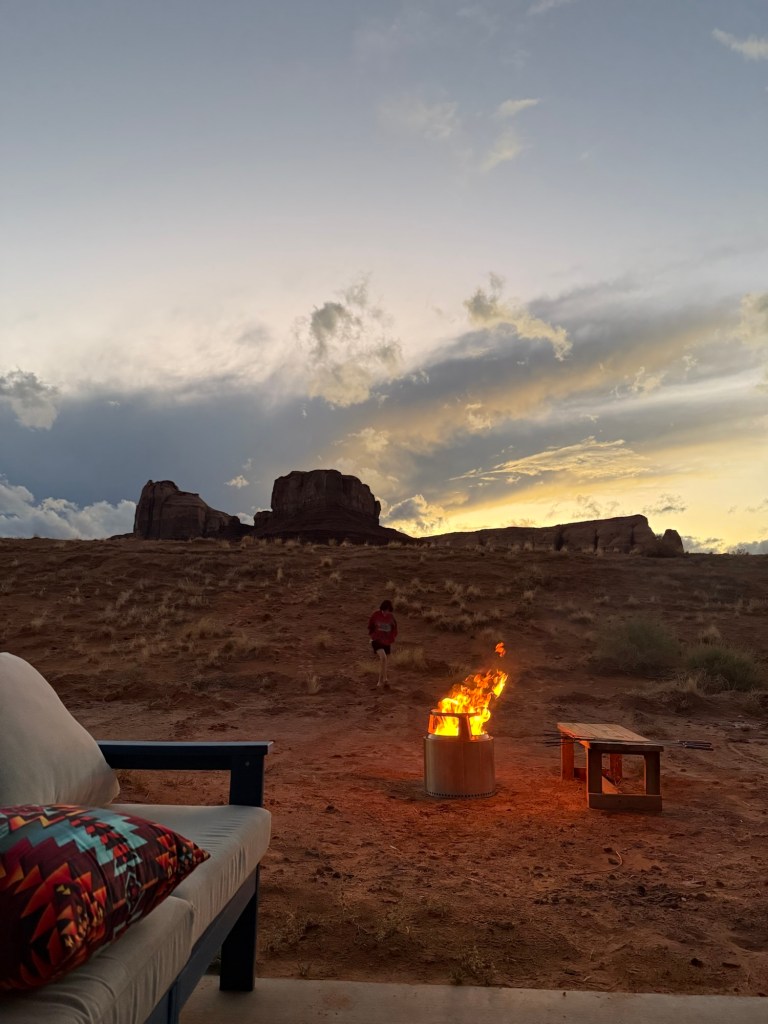
Sunrise behind Big Indian monument

Having three less kids living at home and living in a smaller house with less stuff has really impacted my daily life.  Right away, I noticed how much fewer dishes there were to wash at meals.  Sometimes, I only need to run the dishwasher once a day.  (I rejoice to report that despite my fears, the dishwasher in our teacher housing is very effective.)  

It took me longer to recognize that I was making far too much food at meals, and even longer to adjust.  For the first 2-3 weeks, we were mostly eating leftovers at meals.  I’ve finally been successful at dialing down the portions so that there are just enough leftovers for lunch the next day, but no more than that.  …well…usually…

I made a pot roast this last week that turned out just the way I always imagine pot roast should taste (but rarely does, and never has before when I was the cook.) The recipe I was using called for a dry onion soup mix, which I did not have, so I googled around the internet and then invented my own seasoning mix and ce magnific! I couldn’t find my dried minced onions, so didn’t put any in, and honestly, as much as I love onions, they would have overpowered the flavor. Lucky me that I couldn’t find them! Here is my new delicious recipe for pot roast.

Into the crock pot on low for 8 hours went 

2 lbs of beef chuck roast

5 Tablespoons Knorr beef bouillon granules

½ teaspoon onion powder

½ teaspoon smoked paprika

¼ teaspoon garlic powder

½ teaspoon black pepper

1 (15 oz) can beef broth

Now I discover that I can do all the laundry for the family in one day per week and get it folded and put away as well. I know that I used to do one or two full loads of laundry every day except Sunday, just to maintain a precarious balance of not-too-many piles of dirty laundry. I do think the dry air here has reduced how often I need to wash towels, and so that is part of the reduction as well. Also, hanging my towels to dry in the sun means I don’t have to bleach them to keep them fresh!

So now my housekeeping chores are greatly reduced, and I’m not homeschooling children or teaching piano.  What to do with myself?  I gave away most of my fabric and crafting things before the move, but I had several aprons cut out from last Christmas (or the one before…) which I did keep, so I have been sewing those.  My foster son, Hunter, is getting married in October, so I am planning a quilt for him. (I better get cracking– a month is not that much time.)  Also I promised Maddy (Ben’s niece) that I would sew a blessing dress out of the lace left over from her wedding dress for her baby due in November.

I began substitute teaching for the elementary and high school last week. I subbed 2 days last week and 2 days this week, and enjoyed it a lot.  When I had down time, I read Anne of Green Gables and Anne of Avonlea.  I‘ve begun Anne of the Island, and, at this rate, I’ll finish the whole series soon.    Haha.    

The young women I am working with are just like young women everywhere, but their home lives vary a lot.  Some of my girls live in a hogan with no running water and only an extension cord for electricity.  Some have a cell phone and some do not.  Some herd sheep in the canyon after school.  Most have only one parent or grandparent in their home. 

The car Ben used for driving to work broke down right before we moved. We were thinking that we could get along with just one car here, but it turns out that we really should have 4 wheel drive because of all the sandy roads on the reservation. Also, Ben will have to drive 6 hours to Bluffdale (southern tip of Salt Lake City) for guard drill weekends. Since all the big grocery stores are also 2.5 hours away or further, having a car that gets high gas mileage is important. So this week we bought a car. The car is a Honda CRV, and it is so shiny and nice that I am afraid of driving it.

The weather here is so pleasant, and the outdoors is beautiful- though the ground is overrun with sharp sticker weeds called goat-head stickers or puncture vine. They are vicious! None of us dare go outside barefoot.  We also learned within 5 minutes of moving in to take our shoes off at the door.  Otherwise, the stickers get tracked in and stick in the carpet, and you find them later with your bare foot.  I don’t really miss grass as much as I expected to, but I do miss trees.  There is something so restful to the eyes in looking at green broadleaf trees.    In the end of  Anne of Avonlea, someone asks Anne if she really is going away to college.    

“Yes, I’m going,” said Anne. “I’m very glad with my head and very sorry with my heart.”

I know just what she meant. 

Love and Hugs,

GlowWorm

P.S. I learned a new welsh word this week: cwtch

It is pronounced /kuch/ (rhymes with butch) and it means a hug, but not just any hug, the kind of hug that reminds you of the safety of your childhood. When I think of you, I remember your hugs and kind eyes, and it makes me happy and homesick all at once.

Swimming with the Cousins

2 Jun
Aunt Becca and Ember

When you have 10 kids to watch on a summer day, the best thing to do is take them swimming 🏊‍♂️

Apple Pie
Skeeter Pie
Zeke
Memphis
Archer
Brock
Boone